Wan 2.7 Resource
Wan 2.7 Image to Video Workflow for Visual References
Turn still images into stylized motion with the Wan 2.7 image-to-video workflow — reference-driven storytelling, ad concepts, and brand-consistent motion.
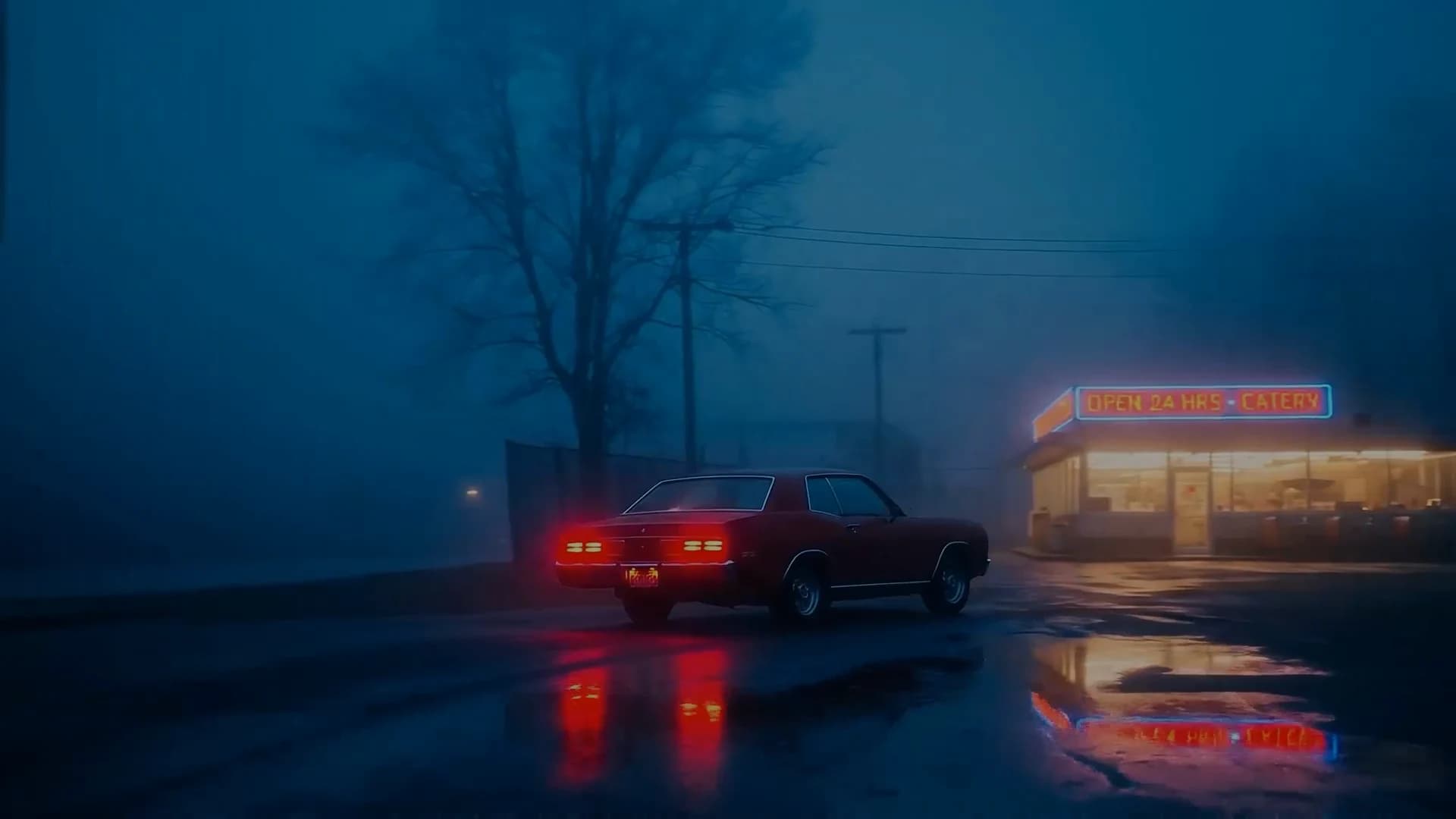
Page Summary
This page is for searchers who already have the visual starting point. Instead of asking how to write everything from scratch, they want to animate a still, preserve a mood, or build motion around a reference image. Wan 2.7 image-to-video — part of what the creator community had been calling HappyHorse — is purpose-built for exactly this.
Main keyword: Wan 2.7 image to video
Why image-to-video solves a different problem
Image-to-video visitors are usually further along in the creative process than text-only users. They already have a frame, a visual style, or a product render. Their challenge is translating a static composition into movement without losing the original look.
How Wan 2.7 image-to-video stays on brief
Reference-led generation is often easier to steer because Wan 2.7 starts from a visible anchor. That helps preserve character design, color palette, composition, or product placement better than text alone.
Preserve the original visual identity
When the source image already matches the brand or concept, image-to-video helps maintain that visual identity while adding movement and energy.
Control motion without rebuilding the concept
Instead of rewriting a full scene from scratch, you can use the prompt to describe how the existing image should move, shift, zoom, or evolve.
Ideal for short promos and concept motion
This workflow is especially useful for product teasers, social loops, visual experiments, and turning polished stills into motion assets quickly.
FAQ
Who should use the Wan 2.7 image-to-video workflow?
It works best for teams that already have still visuals and want to animate them while keeping the original composition or brand language intact.
Why not use text-to-video instead?
If you already have a strong image reference, Wan 2.7 image-to-video usually gives better visual continuity and less guesswork than text-only generation.
What projects benefit most from image-to-video?
Product teasers, social promos, concept loops, and visual experiments benefit especially well from image-to-video workflows.