AI Video Workflow
AI Video Generator From Image Free for Still-Led Concept Tests
Use FrameLoom to test image-to-video ideas with a free-start workflow before committing to more polished motion output.
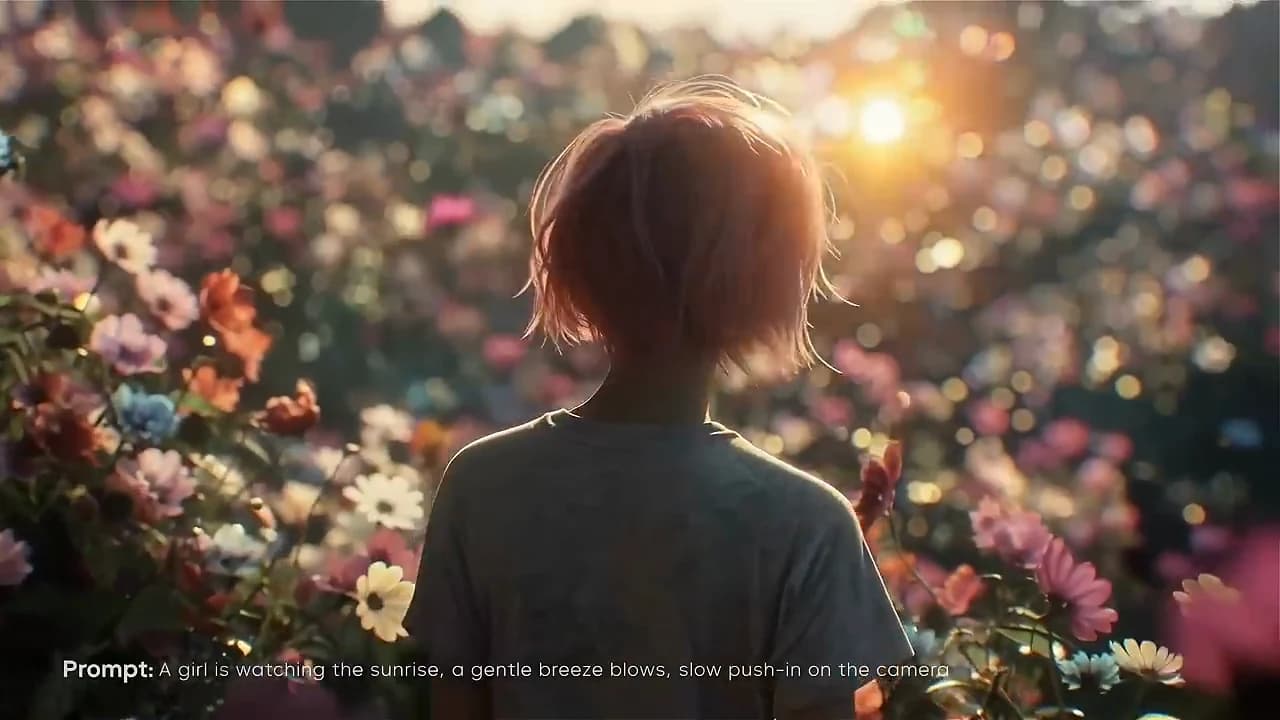
Page Summary
This page is for users who already trust image-led generation more than text prompts but still want a low-risk way to test whether the motion quality is usable.
Main keyword: ai video generator from image free
Why "ai video generator from image free" deserves its own page
This page is for users who already trust image-led generation more than text prompts but still want a low-risk way to test whether the motion quality is usable.
People searching for "ai video generator from image free" usually are not doing broad research anymore. They want a workflow that matches a free-start way to test still-to-motion quality without wasting time on a generic AI video landing page.
- Lower-risk entry point for asset-rich teams
- Perfect fit when brand visuals already exist
- Supports a direct upsell into more polished image-to-video production
How FrameLoom supports the ai video generator from image free workflow
FrameLoom works well for this query because users can validate the motion language on top of an existing image before they spend more on additional drafts or edits. Instead of locking users into one vendor or one mode, the studio lets them move between Wan 2.7, Kling 3, Seedance, and other supported backends while keeping the brief in one place.
That matters for designers, marketers, and creators with existing still assets but limited initial budget because the first useful result usually comes from matching the prompt, reference asset, and model mode to the job instead of forcing every request through the same text box.
Pick an image worth animating
A free test becomes far more useful when the starting image already reflects the brand, composition, or scene you want to protect.
Use the free run to validate motion direction
The first question is whether the motion feels credible and on-brief, not whether the clip is already final-production quality.
Scale only after the visual identity holds up
If the motion preserves the visual identity of the still, then it is worth spending more credits on longer or more refined outputs.
Best-fit use cases for ai video generator from image free
The strongest use cases are the ones where a team already knows the desired outcome and needs a faster route to a usable draft. This is especially true for designers, marketers, and creators with existing still assets but limited initial budget.
On FrameLoom, these pages work best when paired with a clear prompt, a reference image or clip when available, and a quick compare pass across models before spending more credits on the final version.
- Testing animated hero visuals for landing pages
- Animating moodboard frames into teaser content
- Checking whether a static brand asset can become a usable motion clip
FAQ
What is the main intent behind "ai video generator from image free"?
It is usually a transactional search. The visitor already knows the broad category and wants the shortest path to a free-start way to test still-to-motion quality.
Why target "ai video generator from image free" instead of a broader AI video term?
Because it is a more specific workflow query with clearer expectations. That usually makes the page easier to align with search intent and easier for visitors to convert when the feature set actually matches the query.
Which FrameLoom workflow should I try first for "ai video generator from image free"?
Start with the mode that best matches the asset you already have: text-to-video for script-first ideas, image-to-video for still-led motion, and editing or reference workflows when consistency matters across multiple shots.