AI Video Workflow
AI Photo to Video Online for Fast Still Animation in the Browser
Upload a photo and animate it online with FrameLoom's AI photo-to-video workflow built for browser-based motion tests.
Page Summary
This is another useful still-led browser keyword. The main difference from broader image-to-video terms is that the searcher often expects a quick, consumer-friendly experience.
Main keyword: ai photo to video online
Why "ai photo to video online" deserves its own page
This is another useful still-led browser keyword. The main difference from broader image-to-video terms is that the searcher often expects a quick, consumer-friendly experience.
People searching for "ai photo to video online" usually are not doing broad research anymore. They want a workflow that matches animating photos online rather than generating a scene from scratch without wasting time on a generic AI video landing page.
- Strong overlap with real product capabilities
- Captures users who think in photos rather than prompts
- Supports internal links to image-to-video and online workflow pages
How FrameLoom supports the ai photo to video online workflow
FrameLoom works well for this query because the browser upload flow and image-to-video mode already deliver the key pieces that photo-to-video searchers expect. Instead of locking users into one vendor or one mode, the studio lets them move between Wan 2.7, Kling 3, Seedance, and other supported backends while keeping the brief in one place.
That matters for users with ready-made photos who want a simple online way to add motion because the first useful result usually comes from matching the prompt, reference asset, and model mode to the job instead of forcing every request through the same text box.
Choose a photo with enough visual depth
The more visual structure a photo has, the more convincing the motion can feel once the tool starts animating it.
Use motion prompts that respect the still
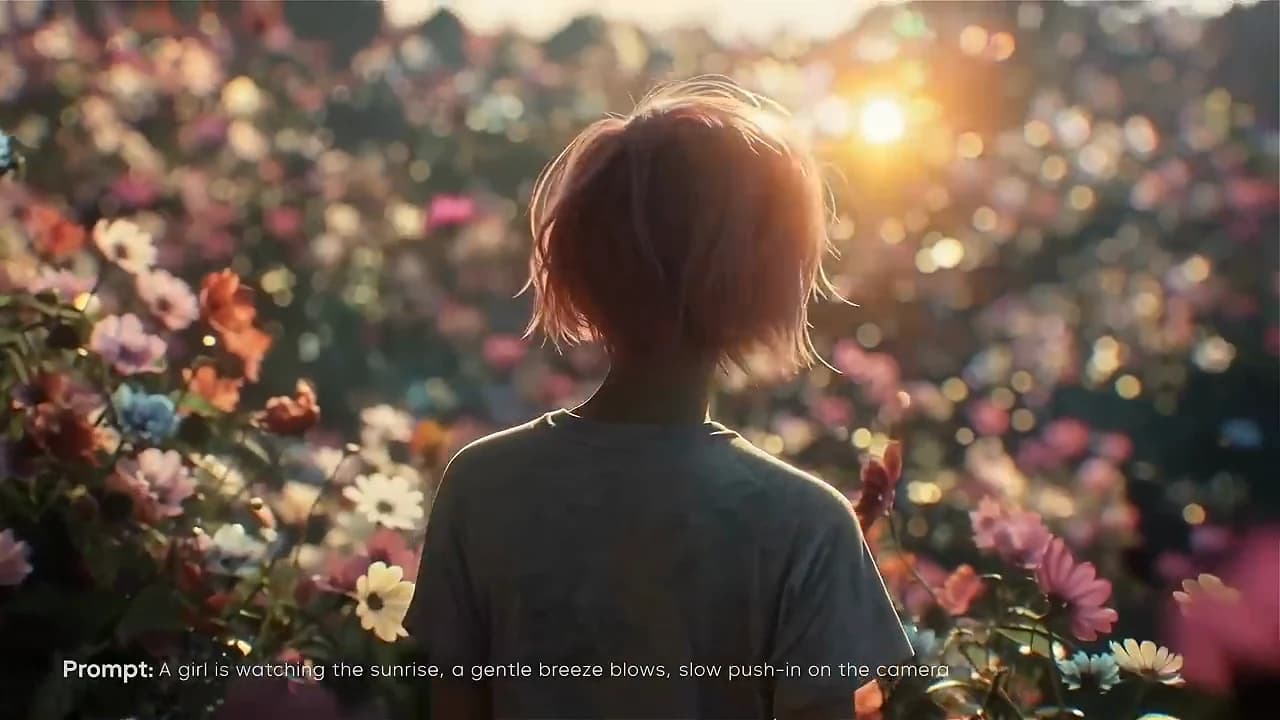
Good photo animation prompts extend the composition instead of fighting it. Slow camera drift and atmospheric movement usually work better than chaotic action.
Keep the clip short and purposeful
Photo-led motion is strongest when the result has one clear job: act as a teaser, loop, opener, or visual accent rather than a full narrative sequence.
Best-fit use cases for ai photo to video online
The strongest use cases are the ones where a team already knows the desired outcome and needs a faster route to a usable draft. This is especially true for users with ready-made photos who want a simple online way to add motion.
On FrameLoom, these pages work best when paired with a clear prompt, a reference image or clip when available, and a quick compare pass across models before spending more credits on the final version.
- Animating portraits for social media promos
- Creating motion loops from product photography
- Adding life to blog headers or landing page stills
FAQ
What is the main intent behind "ai photo to video online"?
It is usually a transactional search. The visitor already knows the broad category and wants the shortest path to animating photos online rather than generating a scene from scratch.
Why target "ai photo to video online" instead of a broader AI video term?
Because it is a more specific workflow query with clearer expectations. That usually makes the page easier to align with search intent and easier for visitors to convert when the feature set actually matches the query.
Which FrameLoom workflow should I try first for "ai photo to video online"?
Start with the mode that best matches the asset you already have: text-to-video for script-first ideas, image-to-video for still-led motion, and editing or reference workflows when consistency matters across multiple shots.